






At Le Monde Sauvage, a rug is not just a decorative object. It is a piece in its own right, crafted in accordance with time-honoured artisanal techniques, bringing a unique presence, texture, and story to every interior. Each creation is part of a tradition in which the artisan’s touch, the materials and time play an essential role in the final result.

The origins of rugs: a millennia-old heritage
The history of rugs dates back over two thousand years to the heart of Central Asia, amongst nomadic societies. Originally, they were not decorative objects, but an essential part of daily life. They provided protection from the cold, defined living spaces and served as a portable surface, easy to carry when travelling.
Over the centuries, rugs spread through trade, particularly along the Silk Road. From Persia to India, from the Caucasus to the Maghreb, each region adopted this object and transformed it according to its own aesthetic and cultural codes. Geometric patterns developed in Anatolia, whilst Persia favoured more complex floral compositions and Morocco explored freer, more abstract forms.
Rugs thus became much more than functional objects. They evolved into a visual language, a medium for cultural expression and a testament to a heritage passed down through the generations.


Rug manufacturing: a variety of techniques
Rugs can be manufactured using a variety of methods, each of which has a significant impact on their appearance, texture and durability. These techniques reflect a balance between tradition and modernity, between artisanal craftsmanship and contemporary production.
The hand-knotted rug: a truly exceptional piece
The hand-knotted rug represents the finest and most traditional form of this craft. Each knot is tied individually on a loom, in a movement repeated thousands, sometimes millions of times, until the final pattern is formed.
This process takes a considerable amount of time, which can extend over several weeks or months depending on the size of the rug and the intricacy of the design. The density of the knots plays a decisive role in the quality of the piece, influencing both the precision of the patterns and the rug’s durability over time.
This patient craftsmanship produces unique pieces, whose slight irregularities reflect the artisan’s hand and enhance their authenticity.

Tufted rugs: a modern approach
Tufted rugs are produced using a newer, faster manufacturing method. Using a tufting gun, fibers are inserted into a backing fabric, allowing for the creation of varied patterns and rich textures with greater freedom.
This technique offers an attractive aesthetic and more accessible production, whilst retaining a handcrafted feel in certain finishes. However, it differs from traditional knotting in terms of its structure and durability, which remain distinct over time.
Machine-made rugs: industrialised production
Machine-made rugs are produced on a large scale using automated machinery. This allows patterns to be reproduced with great consistency and enables rugs to be produced at more accessible prices.
This industrialisation ensures a certain uniformity, but leaves little space for the imperfection, uniqueness and rich variety found in handmade carpets. The result is more standardised, less vibrant, and less rooted in the craftsmanship of the artisan.

The craftsmanship of the hand-knotted rug
The hand-knotted rug embodies an age-old craft passed down from generation to generation. It relies on precise movements, learn early, and repeated with great skill. Each rug is the result of a long and meticulous process, in which every step contributes to the creation of the end product.
The process generally begins with a preparatory drawing, which serves as a guide for the craftsman. The knotting is then carried out thread by thread on a traditional loom until the pattern takes shape. The density of the weave, measured by the number of knots, directly influences the fineness of the design and the durability of the piece.
This type of production takes time, but it is precisely this slowness that gives the rug its richness and uniqueness.
Wool: an exceptional natural material
Le Monde Sauvage rugs are made from natural wool, a material renowned for its unique qualities. It offers softness, durability and comfort, whilst providing excellent thermal and acoustic insulation.
Wool also has the distinctive quality of ageing beautifully. Over time, it develops a patina, evolves and gains character without losing its shape.
Choosing a wool rug therefore means opting for a durable material, capable of standing the test of time whilst retaining its beauty and functionality.


The rug as the centrepiece of interior design
A rug can serve as the true starting point for interior design. Much more than a single accessory, it plays a key role in shaping a space, defining its atmosphere and immediately setting the overall tone of a room.
Choosing a rug is a strong decorative decision. It often structures a living room, adds warmth to a bedroom, or subtly defines different living areas. Through its presence, it anchors furniture, adds depth, and creates immediate visual cohesion.
A bold pattern or a well-chosen color can transform the balance of a room. The rug can act as a unifying element that connects different styles, or as a more daring feature that enlivens a minimalist interior. In all cases, it interacts with textiles, furniture, and decorative objects.
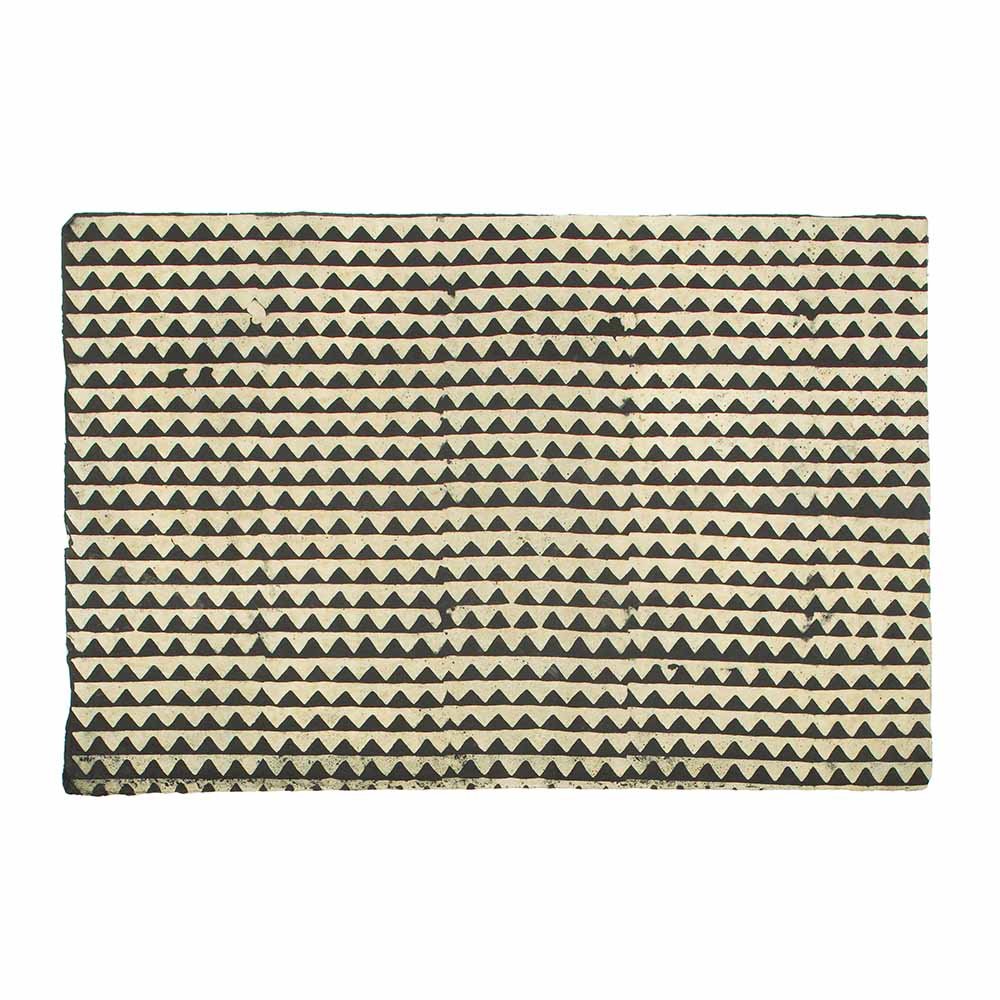
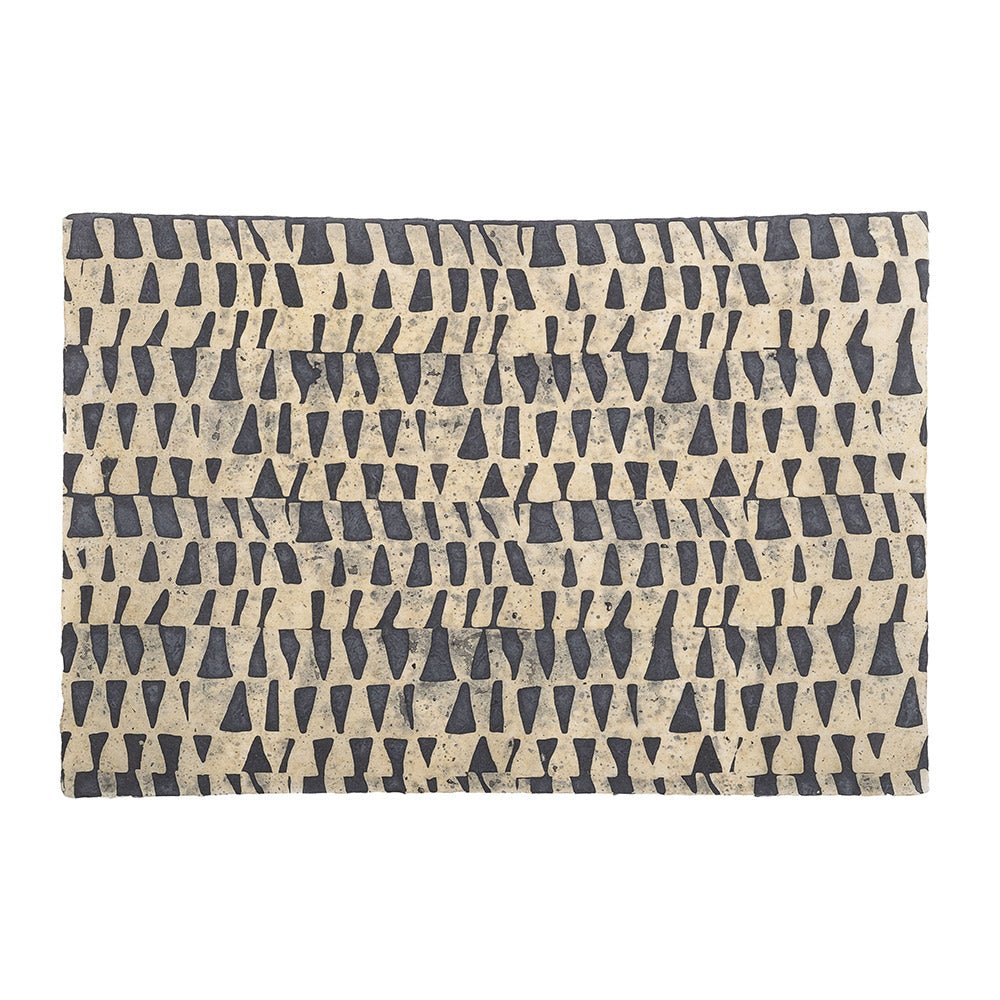
Depending on the desired effect, one may choose a patterned rug to energize a space, or opt for a more understated version that emphasizes texture and nuance. At Le Monde Sauvage, we favour rugs that carry intention and presence, contributing fully to the story of a space.
Daring to use a pattern allows you to assert a strong decorative personality. A plain rug remains a safe bet, but a distinctive design immediately adds character. The fear of ‘overdoing it’ often holds back the most personal choices, whereas it is precisely this boldness that gives rise to a more assertive interior design.
Le Monde Sauvage Selection
At Le Monde Sauvage, each collection is conceived as a fusion of artisanal craftsmanship and contemporary sensibility. The rugs are developed in collaboration with workshops that share the same commitment to quality, authenticity and respect for traditional techniques, fundamental rights and workplace wellbeing.
Each piece is designed to blend into modern interiors whilst retaining a strong identity. The patterns, textures and colours are crafted to bring warmth, depth and character to every space.
A Le Monde Sauvage rug is not merely a decorative item. It is a piece that stands the test of time, enhancing living spaces and telling a story that bridges heritage and creativity.
How to care for a wool rug
Caring for a wool rug is essential to preserve its beauty and longevity. Regular care helps prevent the build-up of dust and maintains the quality of the fibres over time.
It is recommended to vacuum the rug once or twice a week, using a gentle setting to protect the weave. If a stain occurs, it is best to act quickly by dabbing gently with a slightly damp cloth, without rubbing.
For a more thorough clean, it is advisable to call in a professional, who will know how to treat the fibres without damaging them.
When well cared for, a wool rug does not deteriorate; it evolves. It develops a patina, softens and, over time, becomes an even more vibrant and unique piece.

Choosing a handcrafted wool rug means choosing a durable piece capable of transforming an entire interior. Through its texture, patterns and presence, it gives structure to the space and defines its balance. At Le Monde Sauvage, every rug is designed to blend naturally into contemporary living spaces whilst bringing warmth, character and authenticity.


